


Sport & Traditional Karate Training!

In order to succeed in your martial arts training, you are required to be in your best physical self conditioning. Strengthening and conditioning exercises of the muscles, when combined with your training regimen regularly, will help you to become a stronger martial artist. So in our Academy, our primary goal is to empower the athlete.
Conditioning Drills
We teach some basic shotokan kumite tips to help with your sparring, many karateka ignore these basic areas, in favour of intricate combinations and sparring drills. But these areas are what creates a great karateka! There are certain basic principles who dramatically increase the fighting effectiveness.
Winning Techniques

Traditionally, kata are taught in stages. Previously learned kata are repeated to show better technique or power as a student acquires knowledge and experience. It is common for students testing to repeat every kata they have learned in different stages but at an improved level of quality.
Katas
Who we are
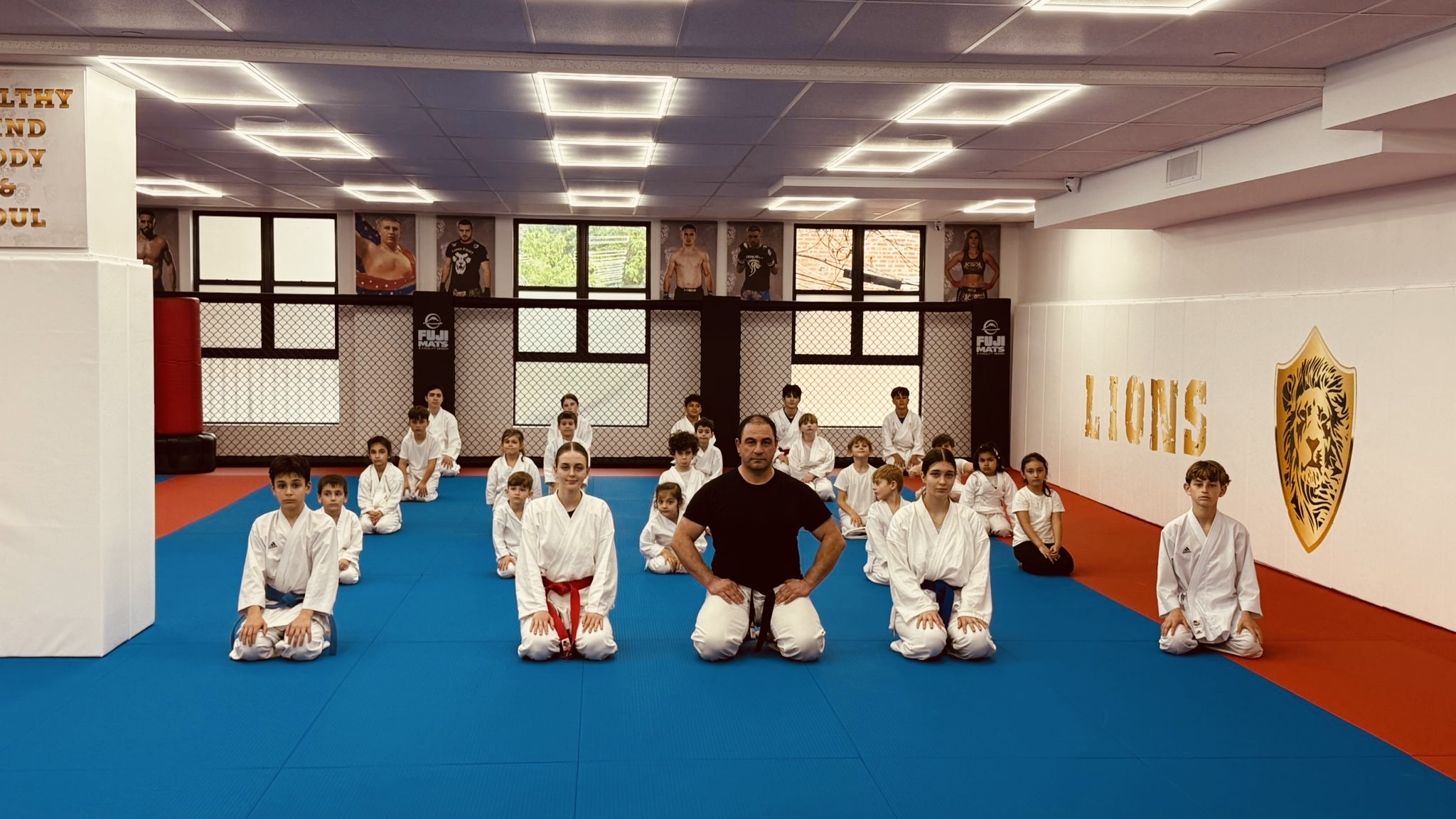
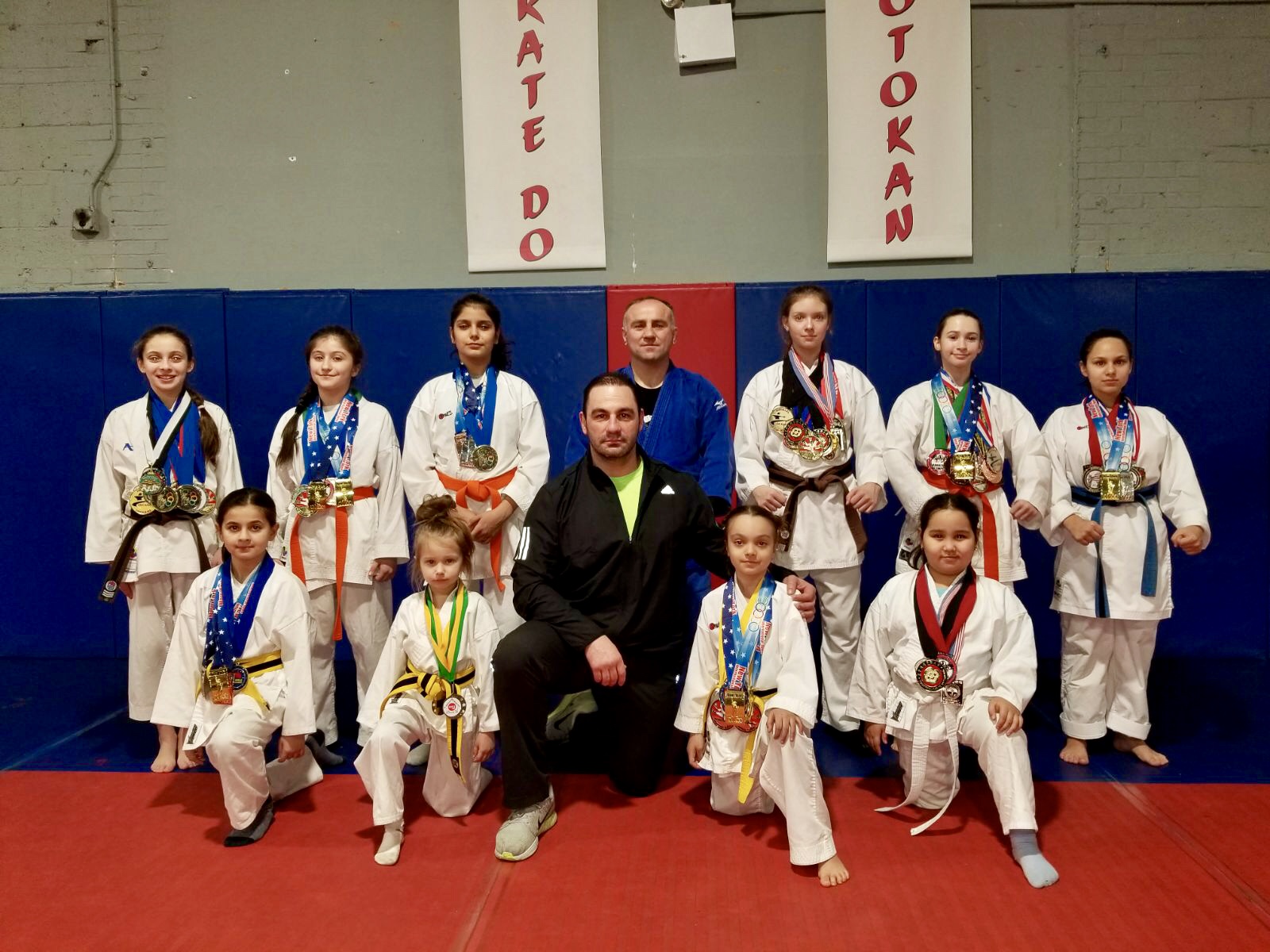
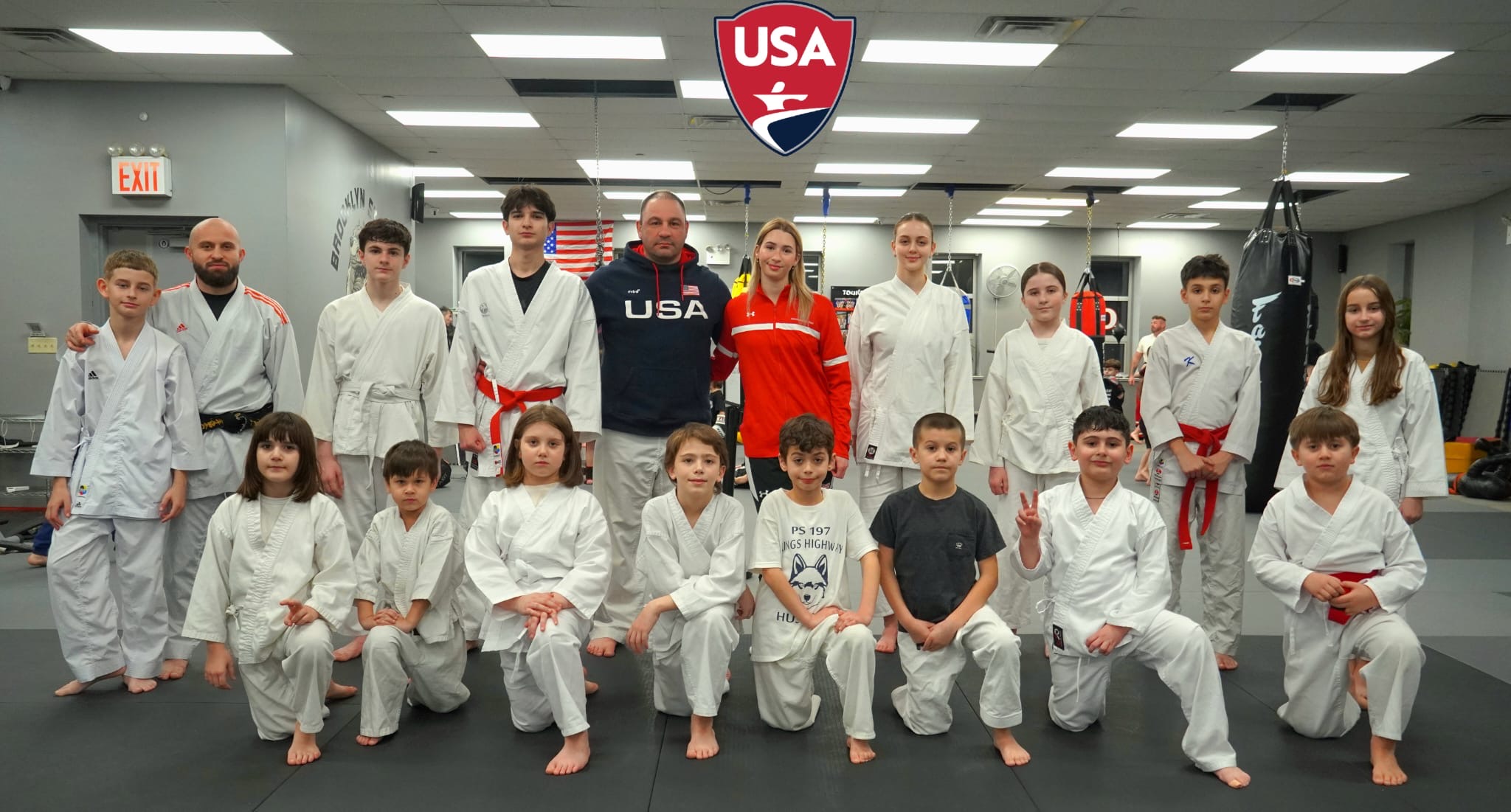
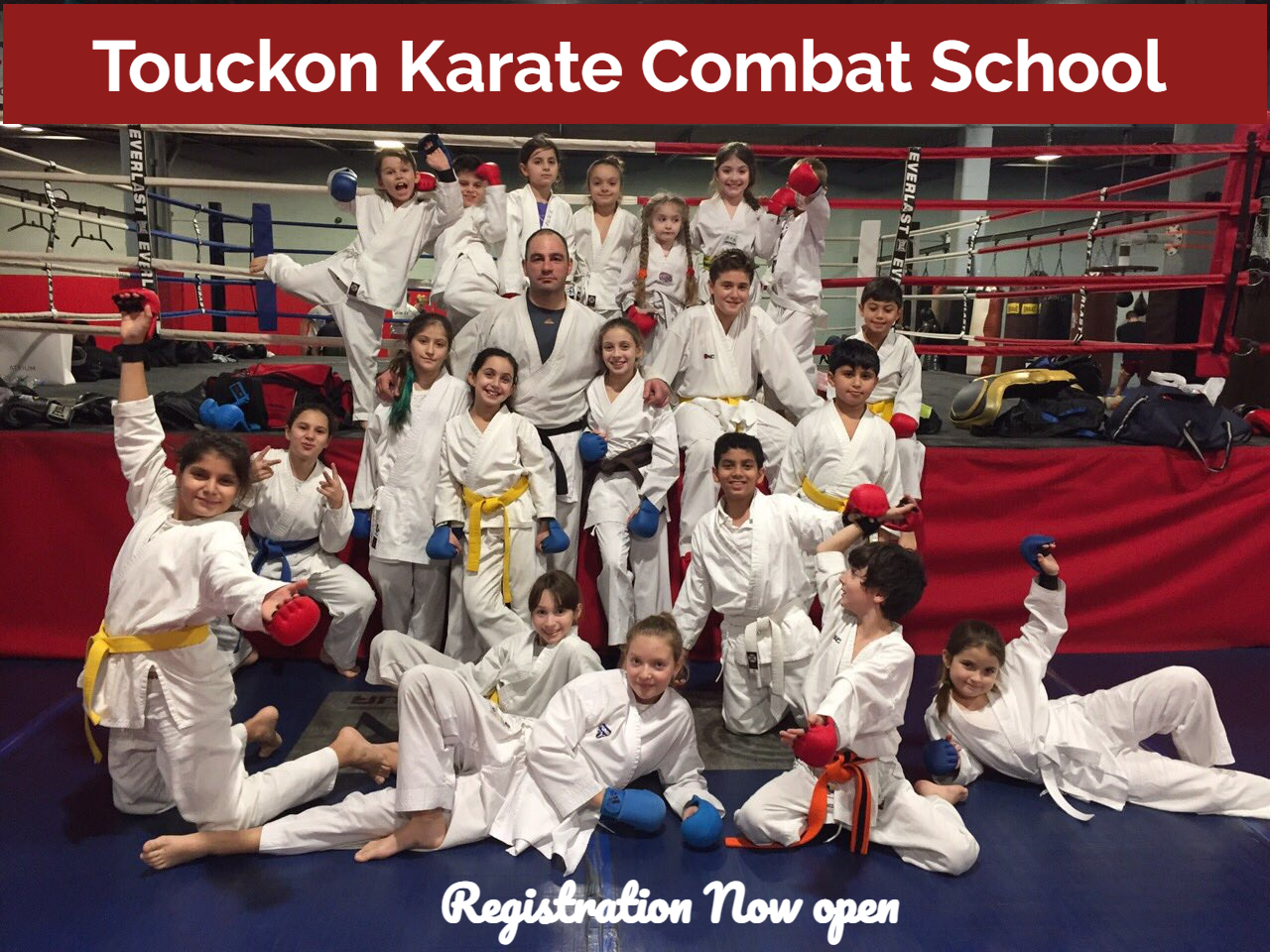
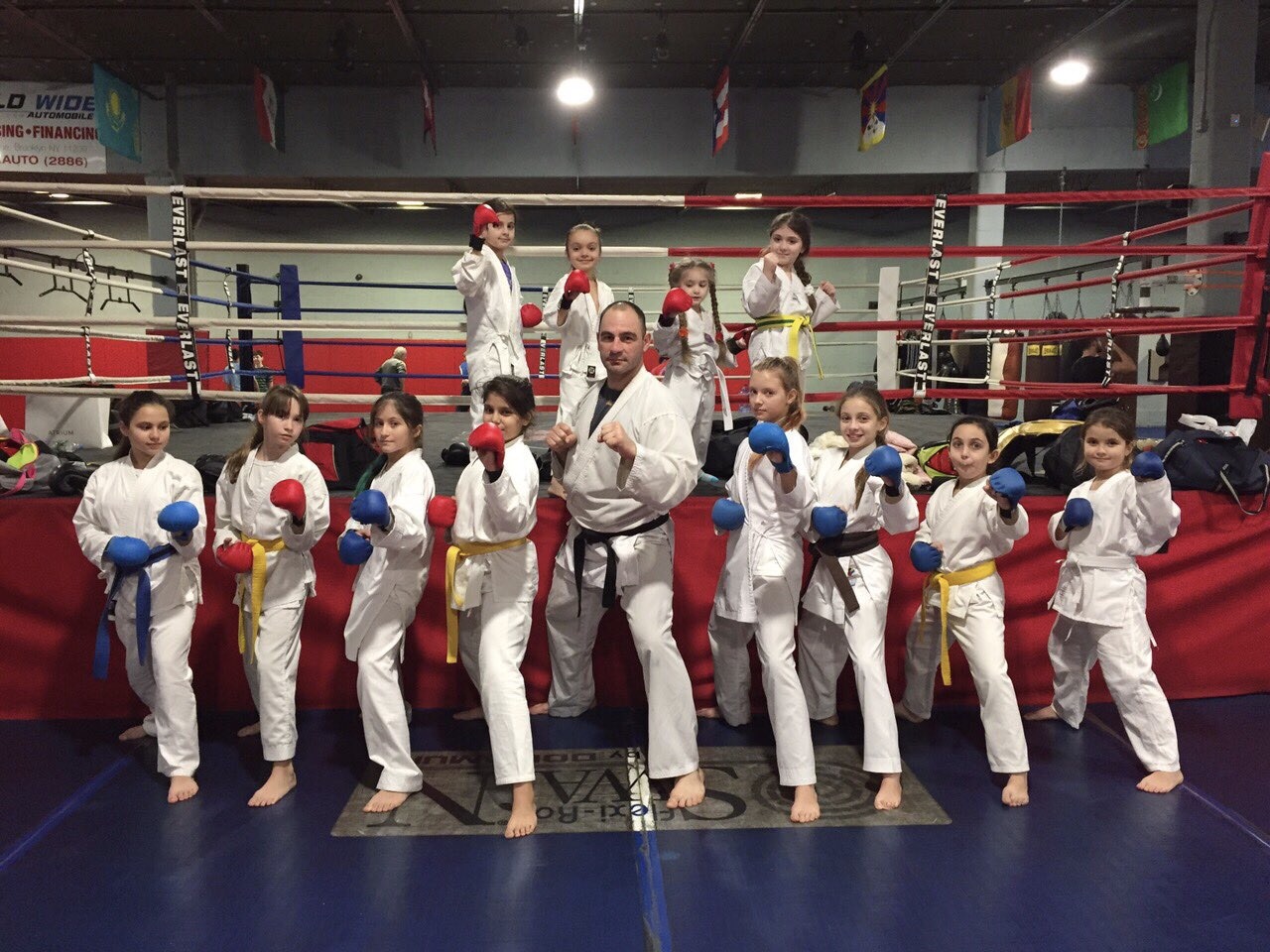
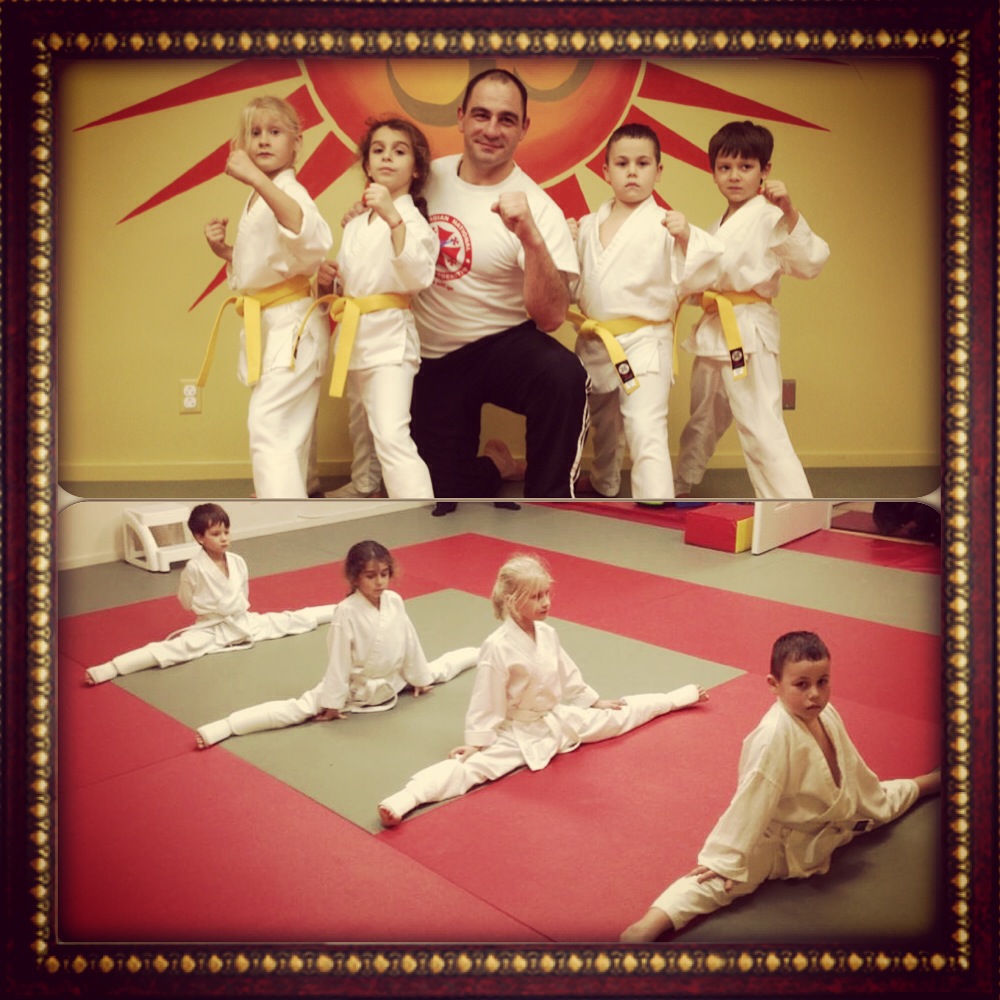
Toukon martial arts academy is a certified academy with an experienced teachers, offer lessons for beginners, intermediate and advanced individuals. We also offer lessons to children of all ages and different levels. Our martial arts school is spacious, safe and enjoyable with professional anti-vibration flooring, excellent lighting and ventilation and training equipment. Because of our dedication and passion for the sport, we teach children integrity, ethics, discipline, respect and we install a sense of confidence and pride. We have a unique style of teaching using positive reinforcement.
How we train our Athletes
Our training is usually divided into three parts: kihon (basics), kata (forms or patterns of moves), and kumite (sparring). Techniques in kihon and kata are characterised by deep, long stances that provide stability, enable powerful movements, and strengthen the legs. Shotokan is regarded as a dynamic martial art as it develops anaerobic, powerful techniques as well as developing speed. Initially strength and power are demonstrated instead of slower, more flowing motions. Those who progress to brown and black belt level develop a much more fluid style that incorporates grappling, throwing and some standing joint locking jiu-jitsu-like techniques, which can be found even in basic kata. Kumite (fighting) techniques are practised in the kihon and kata and developed from basic to advanced levels with an opponent.
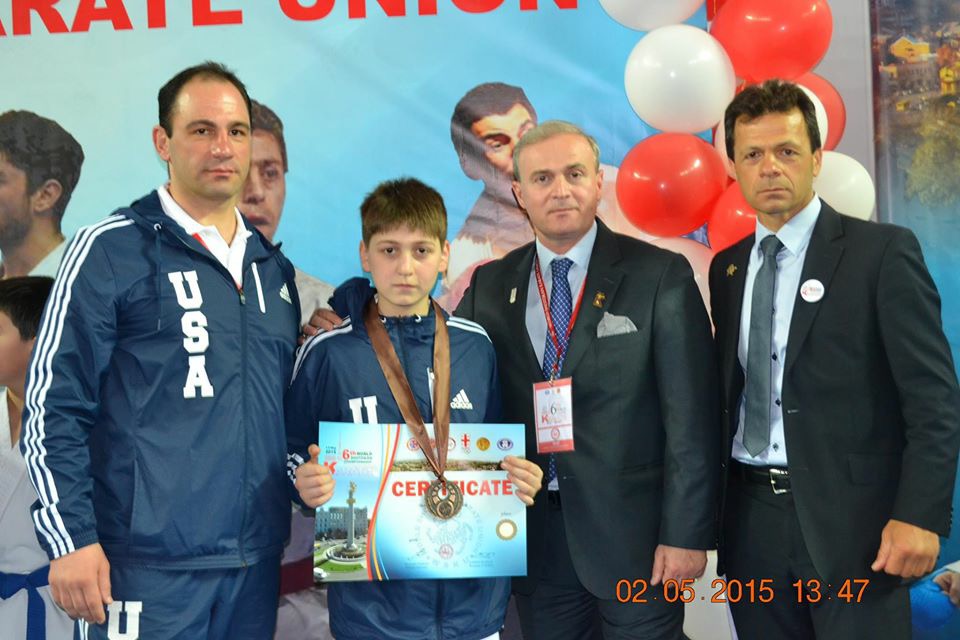
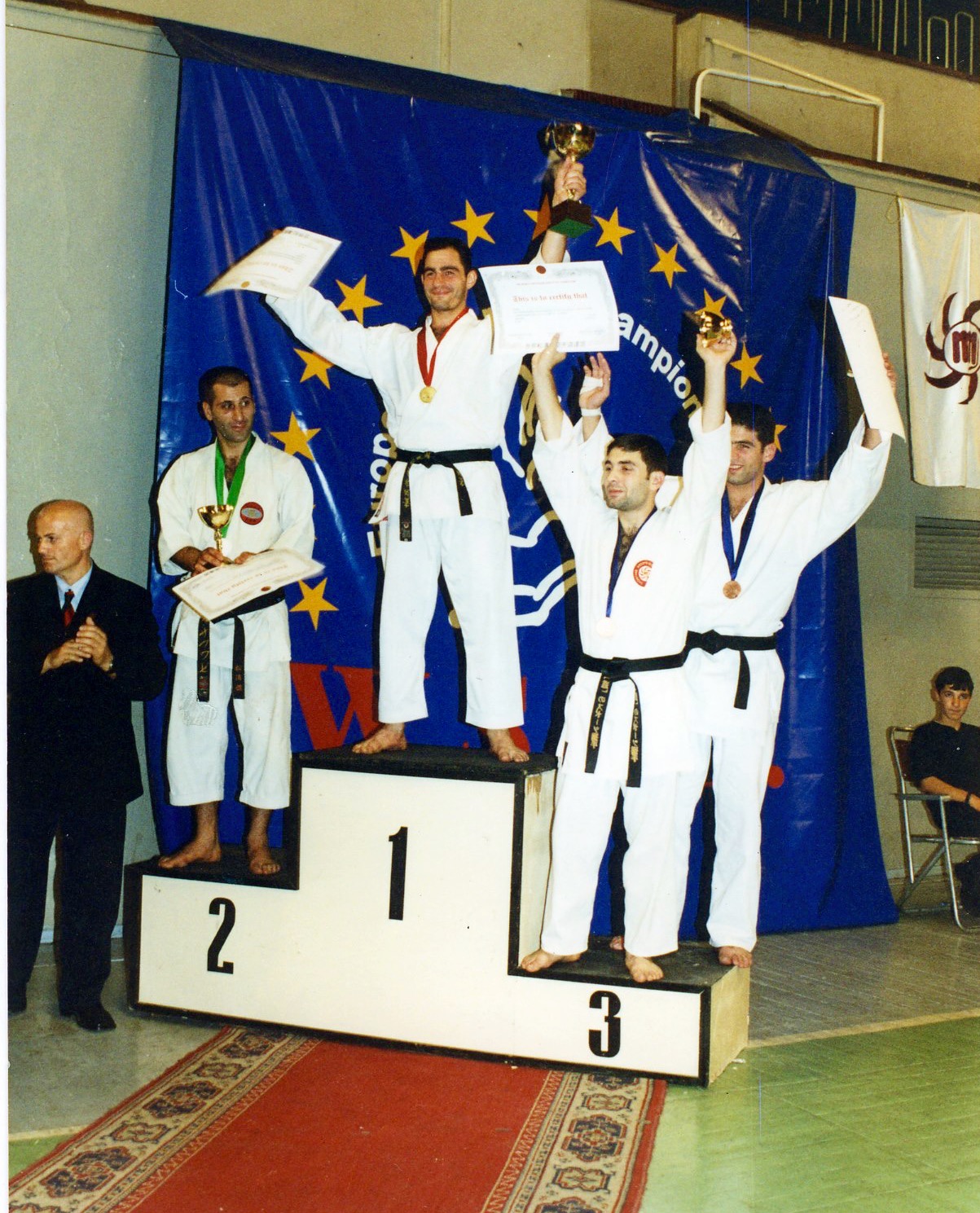
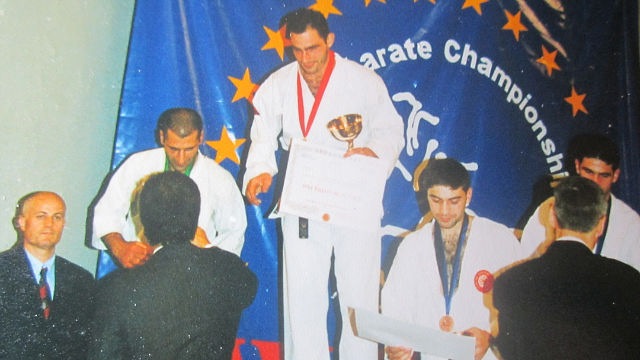
Elite Championships:
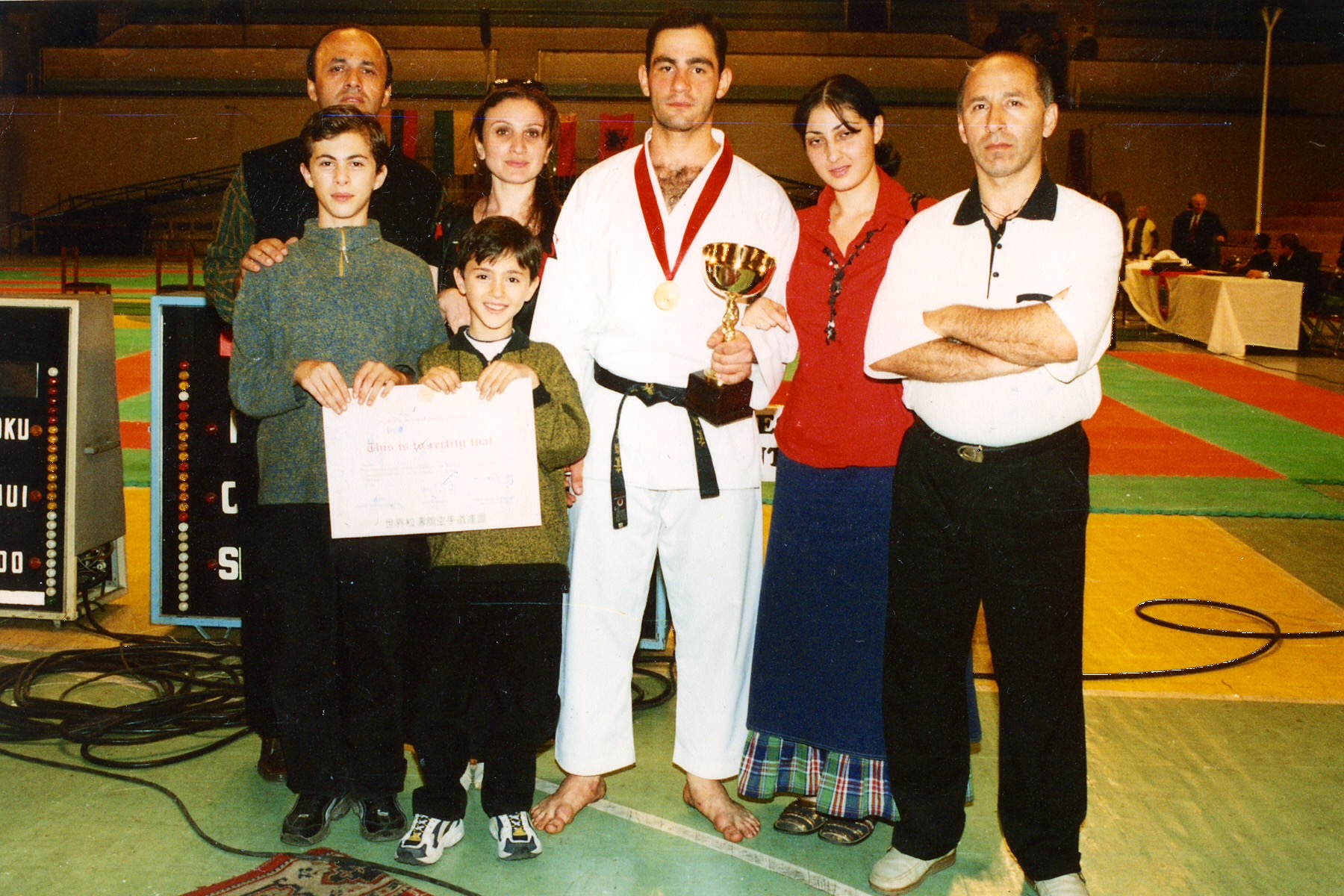
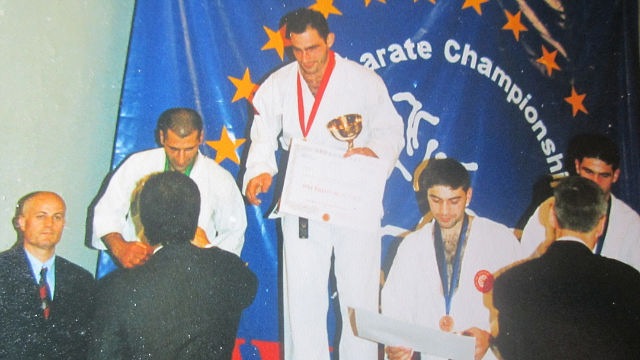
World and European champion.
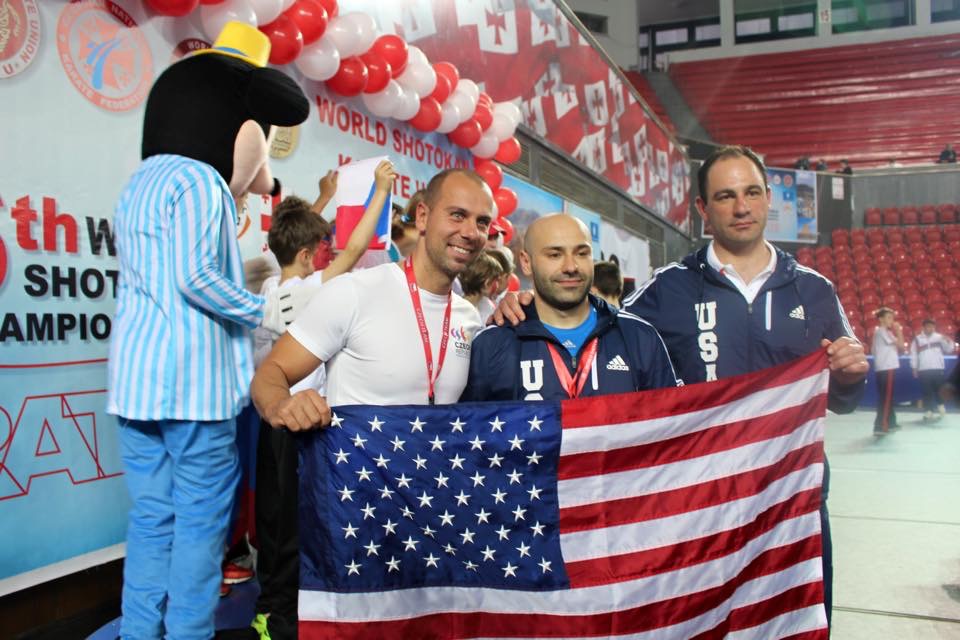
Ten times champion of Georgia and prize winner of the many international tournaments in W.S.K.F., S.K.I.F., and WKF.
Ten times champion in karate combat tournaments.
Recognition:
Best sportsman of the year (2001) in karate combat by the State Department of Sport of Georgia.
Rank:
Black Belt 4th degree in W.S.K.F. (World Shotokan Karate-do Federation).
Trainer:
Anthony Jgamadze

Athletes Activities
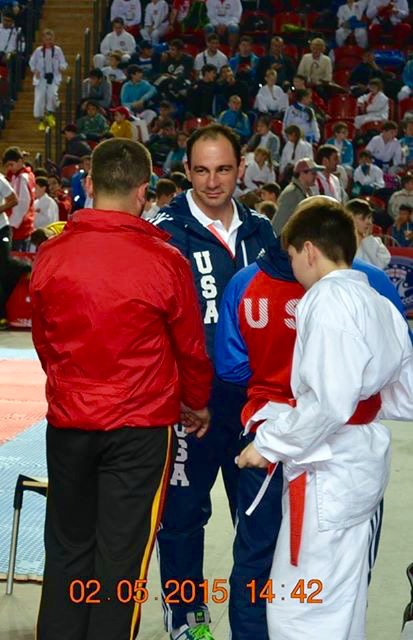
A combination of Inner and Outer Physical Condition makes a Good Karateka.


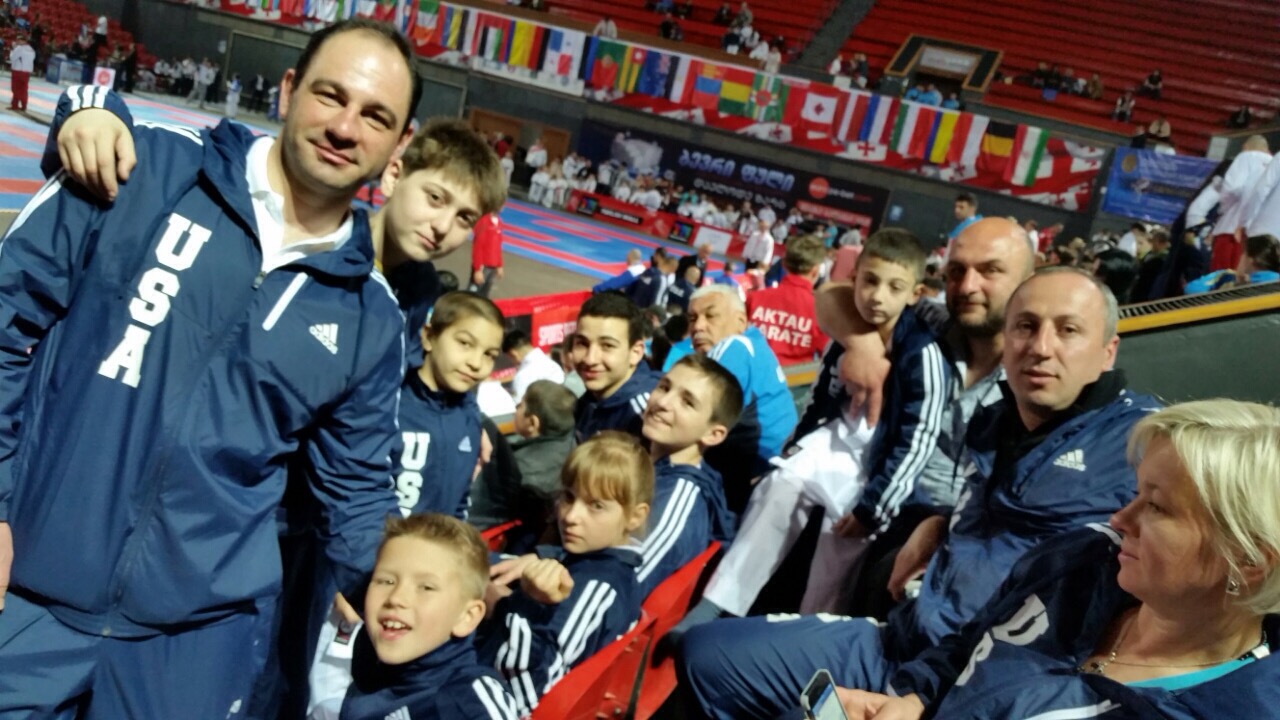
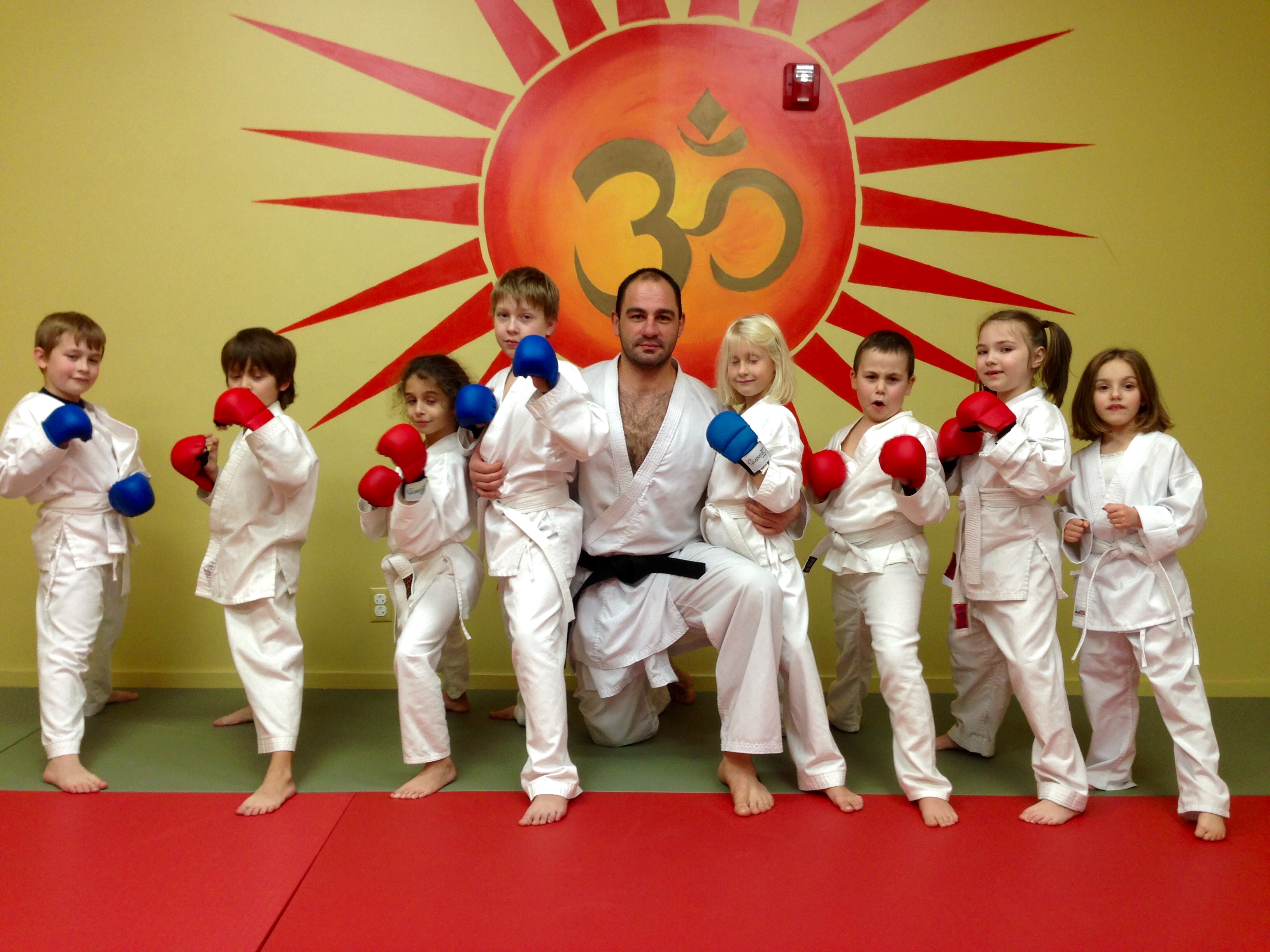
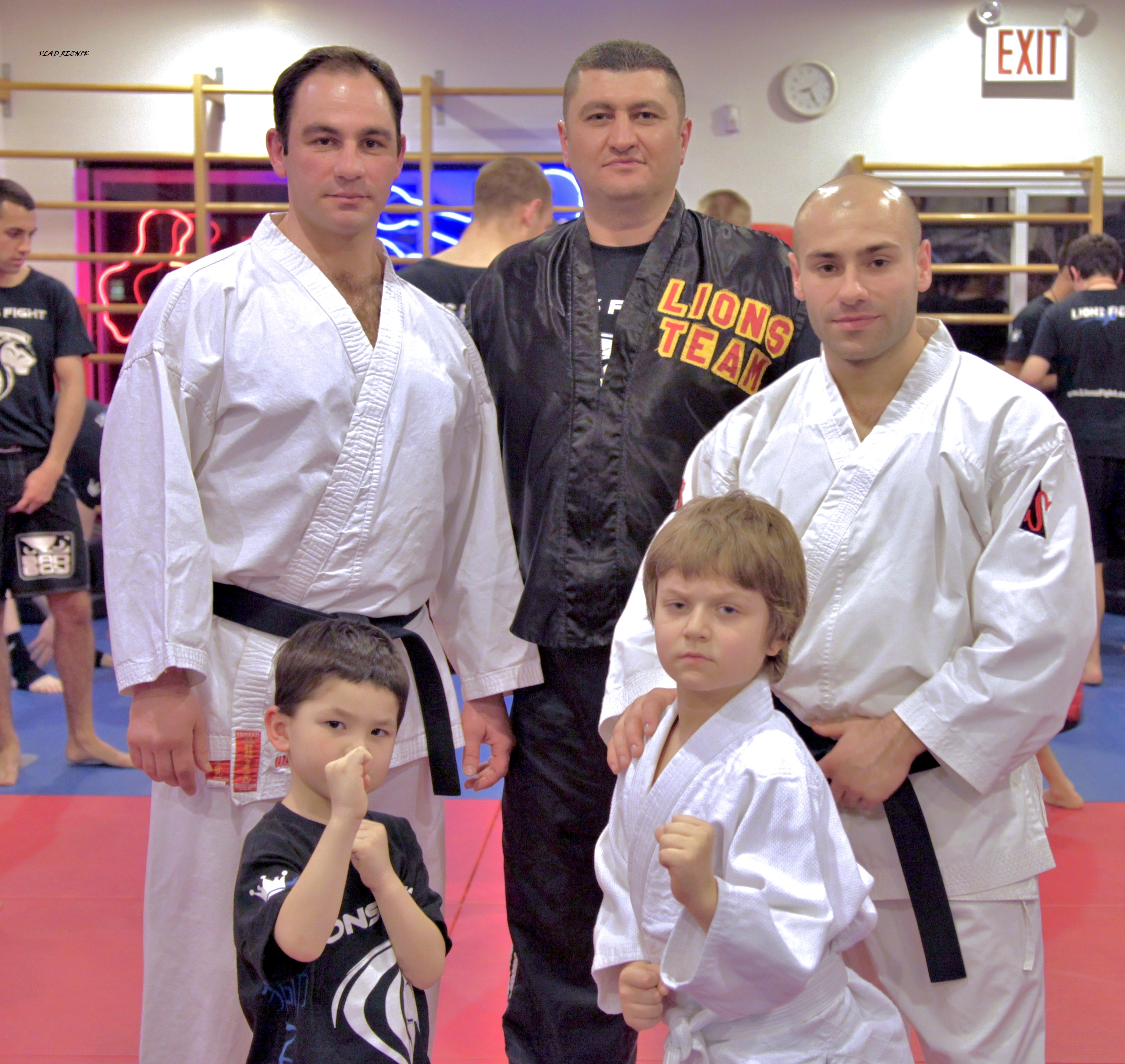
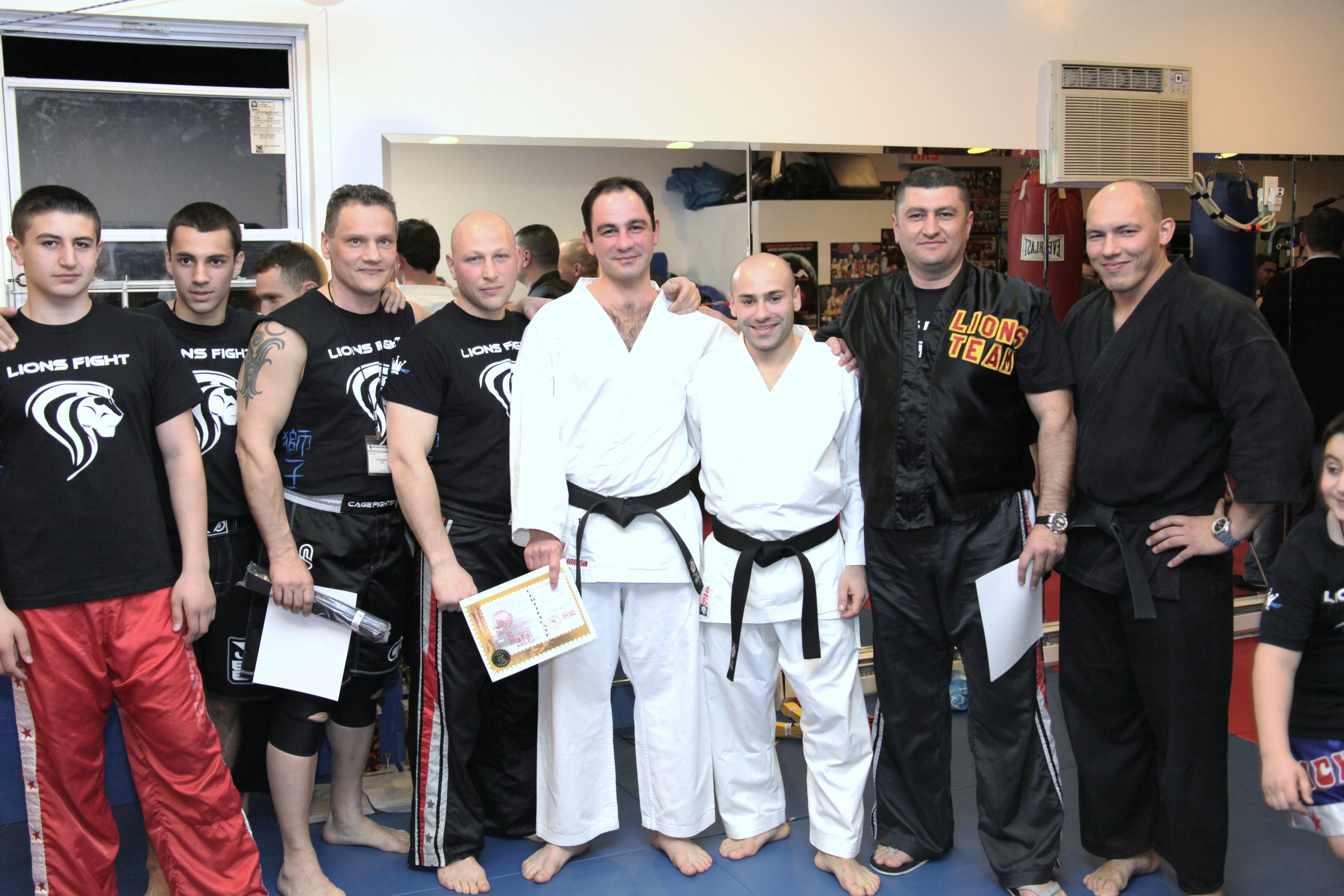
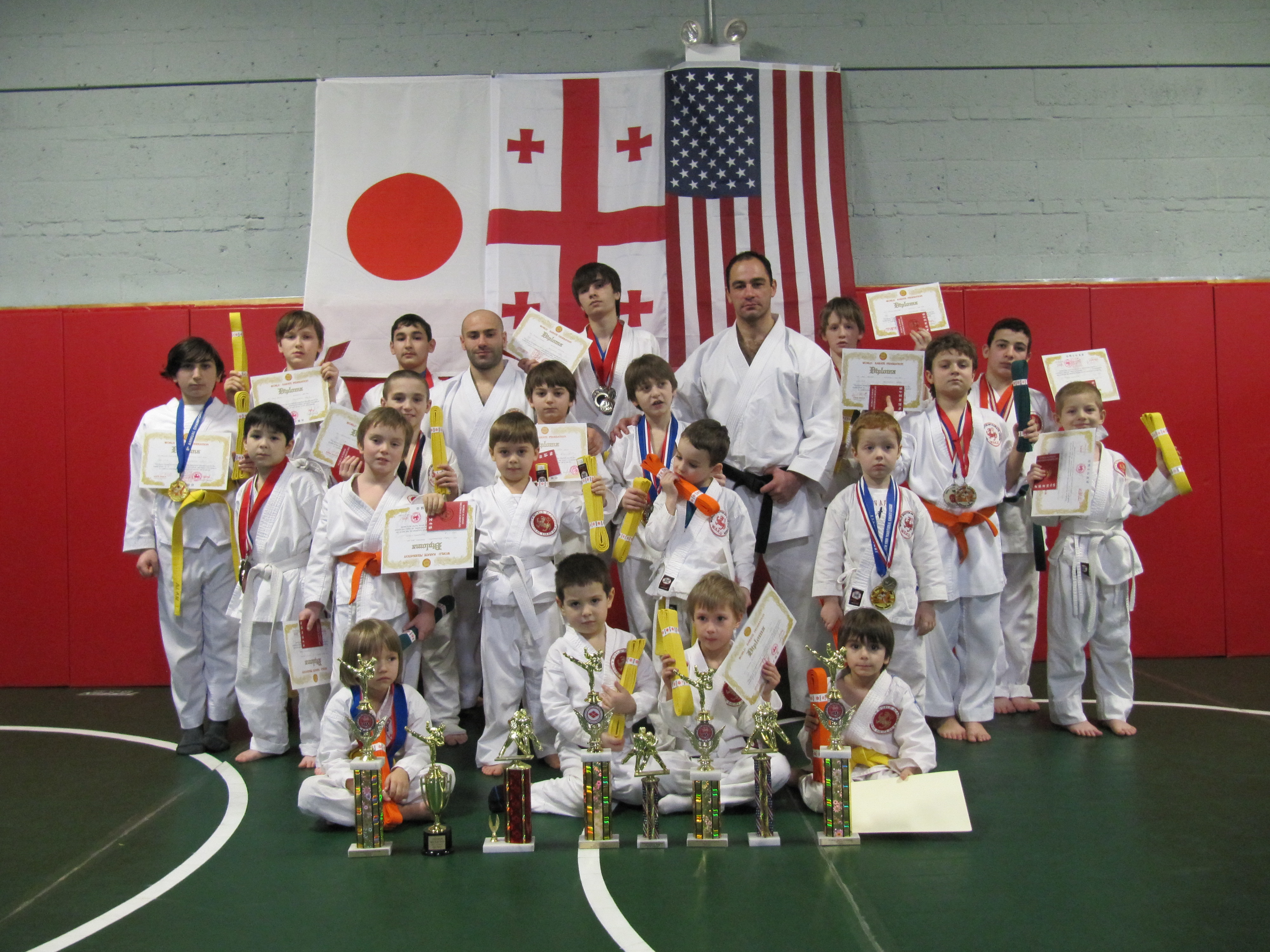
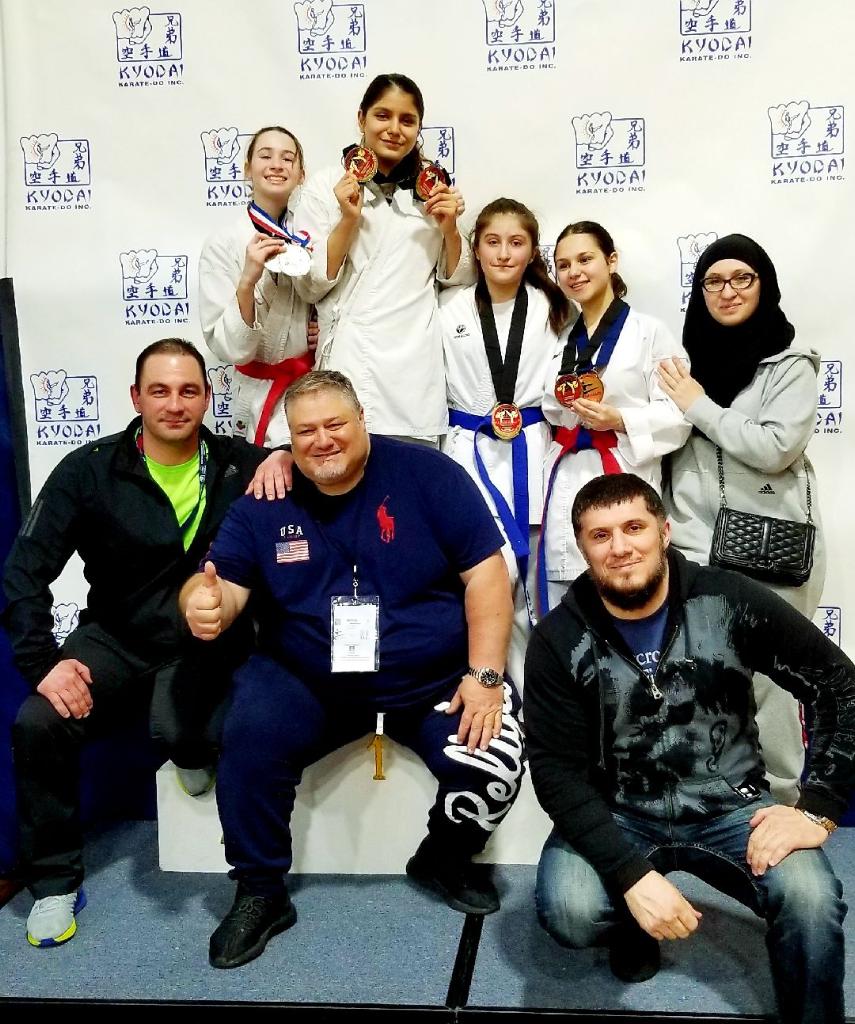
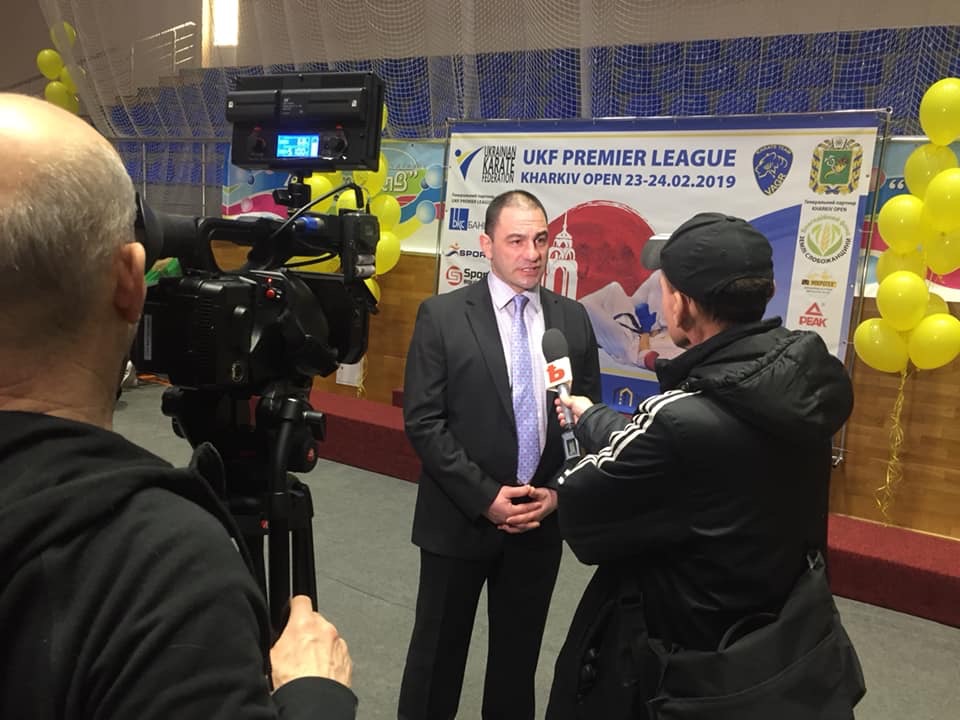
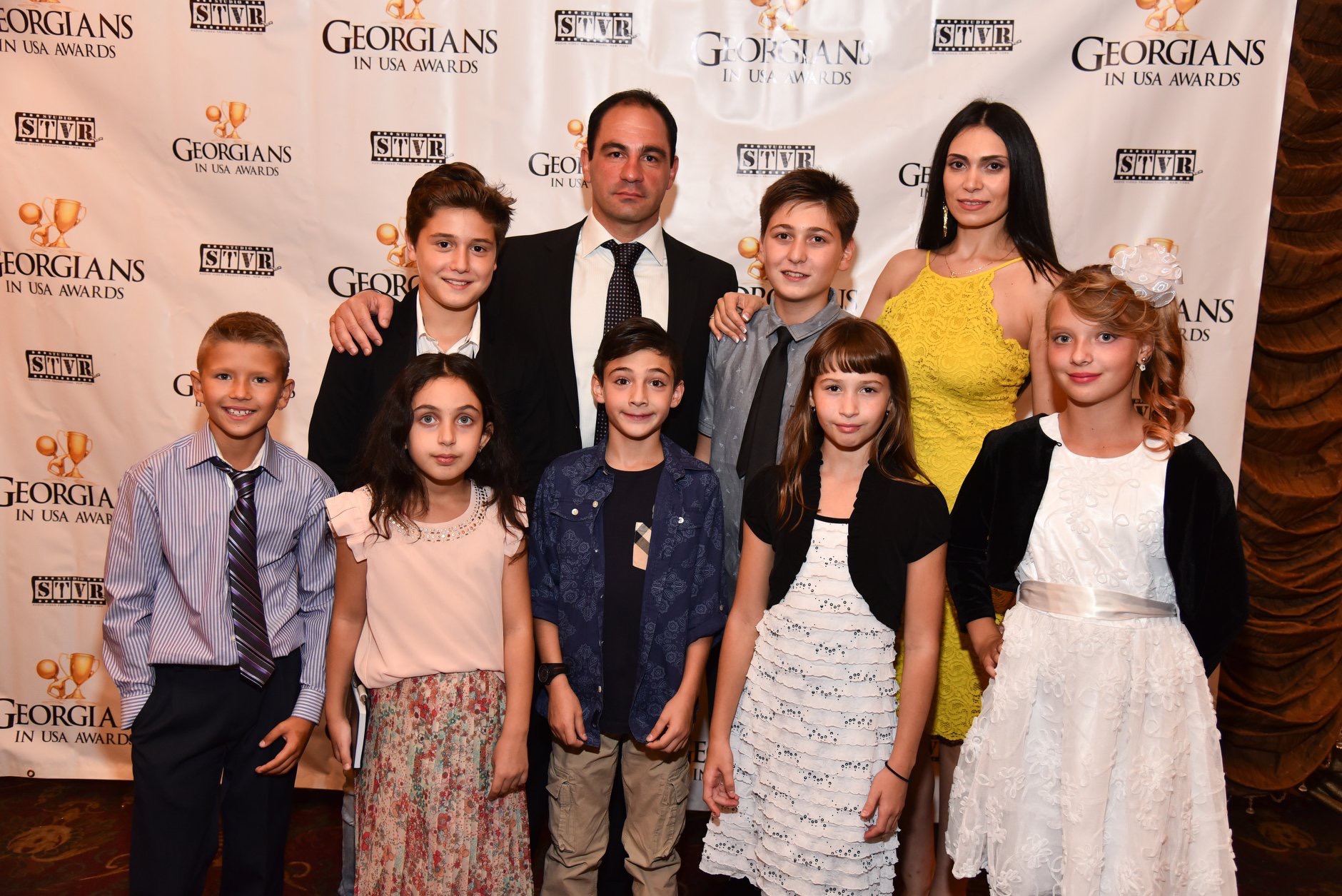
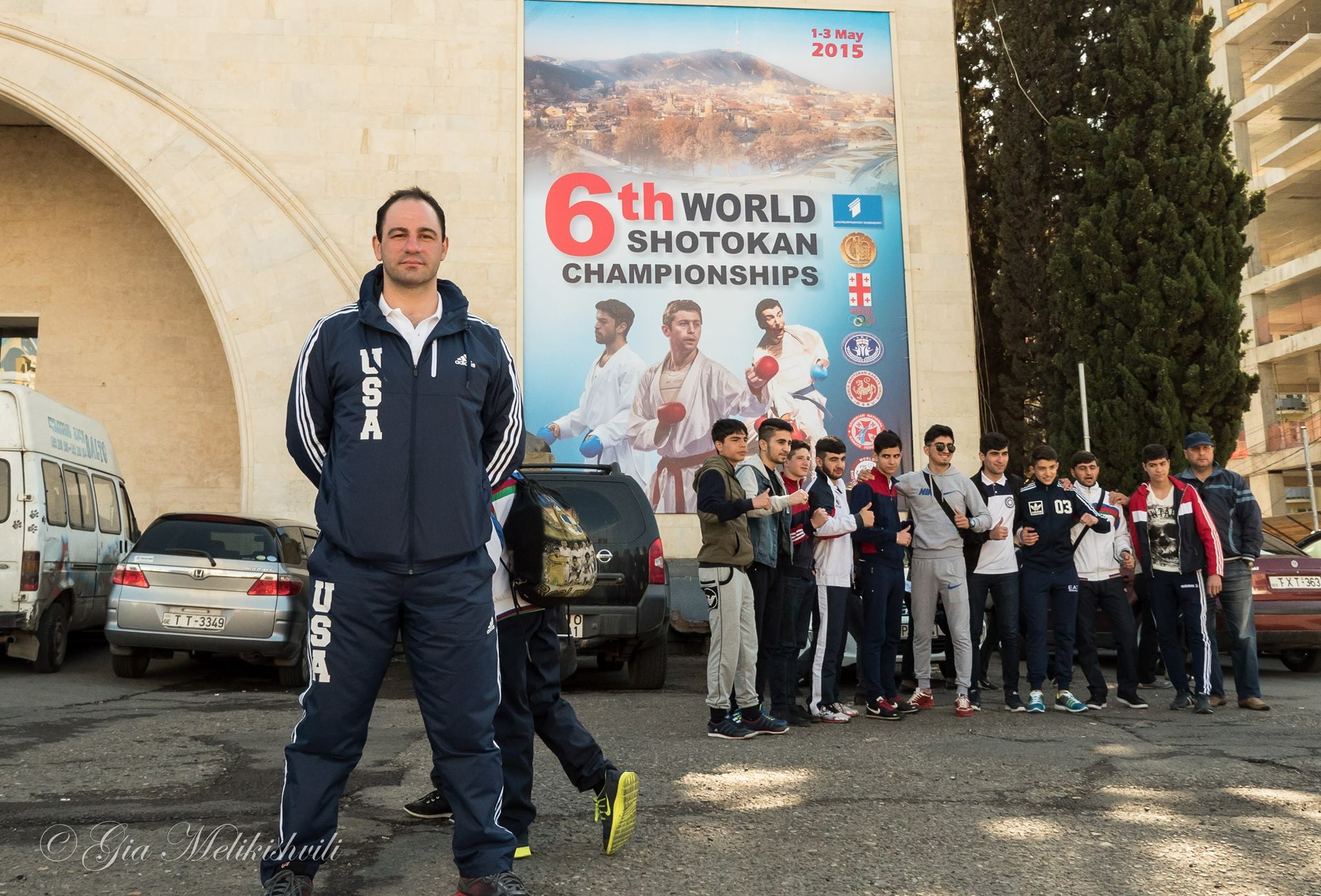
Our Recent & Upcoming Events
Contact Us
27 Brighton 11th St, Brooklyn, NY 11235